
AnswersWhen a client goes under
How do I object to a company being struck off when it owes me money?
The short answer
Online, with your invoice. Once the strike-off notice is in The Gazette, aim to object 2 weeks before the date it gives4, though online, any time before that date counts2. If Companies House accepts, the company will not be struck off for another 6 months3, maybe longer once you sue. It holds the door open for your claim; it does not pay you.
England and Wales only. WolfX is software, not a law firm.
What you can add
An £8,400 invoice, and an objection on 1 October
Say you invoiced another company £8,400, due on 30 June 2026. The first Gazette notice is dated 16 September 2026 and gives a strike-off date of 16 November, so aim to object by 2 November. You object online on 1 October. That is 93 days after the due date. Interest runs at 8% over the Bank of England base rate10, which is 11.75% for invoices that go late between 1 July and 31 December 2026. If the objection is accepted, this is the claim it keeps alive.
The objection costs £0. The claim, started inside the 6 months, costs a £455 court fee12, and interest grows by £2.70 a day until they pay. Let the strike-off date pass with no objection and the company is dissolved. Getting at that money then takes a court order to restore it, and the Registrar's costs are usually around £3008, plus a court fee.
The road ahead
Six steps. Objecting is free.
Step 1: Find the notice and read its date
The notice sits on the company's record4 and in The Gazette7. It states the strike-off date, 2 months or 28 days on2. You can object only once it is out.
Directors who apply to strike a company off must send creditors a copy within 7 days, and failing to is an offence6. When Companies House strikes it off for not filing4, no copy is due. Either way, do not wait for one.
Step 2: Work out your dates
Online, object any time before the strike-off date; email or post must arrive 2 weeks before2. Companies House's guide asks for 2 weeks either way4: for a 16 November date, aim for 2 November.
Read the notice, not the habit. If it had said 28 days, the strike-off date would be 14 October: aim for 30 September, and if that has passed, object online at once.
Step 3: Gather proof under 6 months old
Invoices or similar proof that the company owes you2 are what it asks for. Each file must be under 6 months old, show the company's full name with its ending (Ltd or Limited), and be under 4MB, as an image, Word, Excel or PDF file.
Is the invoice older than that? Add a statement of account dated this week and your latest emails asking for payment. GOV.UK does not say whether that is enough, so object early.
Step 4: Object online
Sign in to the Companies House service2 with your account and the company number, give your reason (the letter below) and attach the files. Companies House then tells you3 if it worked.
Cannot go online? Companies House may help with email or post, which must arrive 2 weeks before the strike-off date2, but from 1 December 2026 it takes objections through its online service only5.
Step 5: Use the 6 months to claim
If Companies House accepts it, the company is not struck off for another 6 months3. Send a letter before action now, then start a court claim.
A debt nobody disputes can also take a statutory demand.
A letter you can copy
Objection to a strike-off, with the reason and proof
Use the middle paragraphs as your reason on Companies House's online service. Cannot go online? Before 1 December 2026, ask Companies House about email, to arrive 2 weeks before the strike-off date.
Tap a highlighted gap to see what goes in it.
Online, use the middle paragraphs as your reason and attach the files. By email (before 1 December 2026, and only if you cannot go online), send the whole letter and files to arrive 2 weeks before the strike-off date; keep the sent copy. Keep the sentence about a claim only if you mean to make one. If part of the invoice is disputed, say which part, or settle that first. Save Companies House's reply, and the date you got it, next to the invoice.
When not to bother
When it isn't worth it
- The company is already dissolved. An objection comes too late. The road is a court order to restore it, worth it only if it held something: see the dissolved-company page.
- A liquidator is already named. The money is the liquidator's to deal with now, so send your claim to them instead.
- The invoice is disputed and you have no proof. Companies House wants documents showing the debt1. Settle the dispute first, with the dispute page.
- The company has nothing. The 6 months only buy a claim against an empty company. Check first whether it is worth suing.
- It is a Scottish or Northern Irish company. Its notices run in another Gazette4, and the claim afterwards differs. This page covers England and Wales.

The Wolf's note
The objection is free and the date is printed on the notice, so waiting is the one expensive move. Once it is accepted, the 6 months are for the claim: a letter this week, a court claim after it.
Mr. Wolf · the AI inside WolfX
What comes next
Your next move

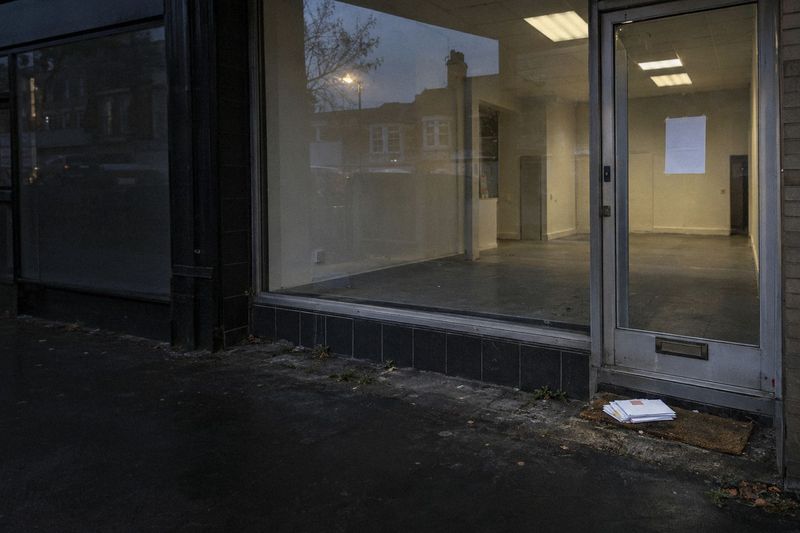
A company that owes me money has been dissolved. Can I still get paid?
Usually not. A dissolved company no longer exists, but a creditor can object to a strike-off in time or ask a court to restore the company within 6 years.
6 min read · Letter included
Put it in writing
What is a letter before action, and how do I write one?
A formal last letter before a court claim, and you can write it yourself.
7 min read · Letter included
If they still won't pay
How do I take a company to court for an unpaid invoice?
Send a letter before action, then claim online.
7 min read · Letter included

Don't want to do this yourself?
The Wolf does every step for you. He works out the sums, writes the letters and keeps track of every date. Nothing goes without your yes.